
Compare Rush County Property Value Types
Every January 1, the County Appraiser sets values for real and personal property across Rush County. The appraised figure feeds the assessment, which comes from applying the proper class rate. A sale price is different. It reflects one transfer only.
| Value | What It Is | Where |
|---|---|---|
| Assessed value | Class-rate calculation used in the tax system | Appraiser record, if displayed |
| Appraised or market value | County appraisal under the applicable valuation rule | Appraiser record |
| Last sale price | Consideration for a past transfer when publicly available | Recorded instrument or validated source |
| Land and improvements | Components that may be valued separately | Live parcel card, if displayed |
Kansas residential property is generally assessed at 11.5 percent of appraised market value. That ratio is why the assessed figure sits below the appraised one. It is not an estimate of what a house would sell for.
Rush County Property Value Starts January 1
Every January 1, the Appraiser discovers, lists, and appraises all taxable and exempt real and personal property. The property is all in Rush County. Most real estate follows fair-market principles. Agricultural land works differently, valued through a productivity formula instead of market comparisons. The date anchors the whole assessment year. It is not a prediction of what a buyer would pay. Nor does it promise that every field on the parcel card was refreshed. The refresh did not happen that same day.
Rush County Agricultural Value Uses Productivity
Rush County's prairie and agricultural character makes the Kansas productivity rule matter here. Farmland is not valued by the market-comparison method used for homes and commercial buildings. Agricultural improvements and a farm residence can also carry their own class treatment. Confirm the classification on the live record or with the Appraiser before applying any rate. A land-use label explains the assessment. It is not an independent appraisal.
Open the Rush County Value Route
Open the official Rush County ORKA entry to select the parcel and read its current value fields.
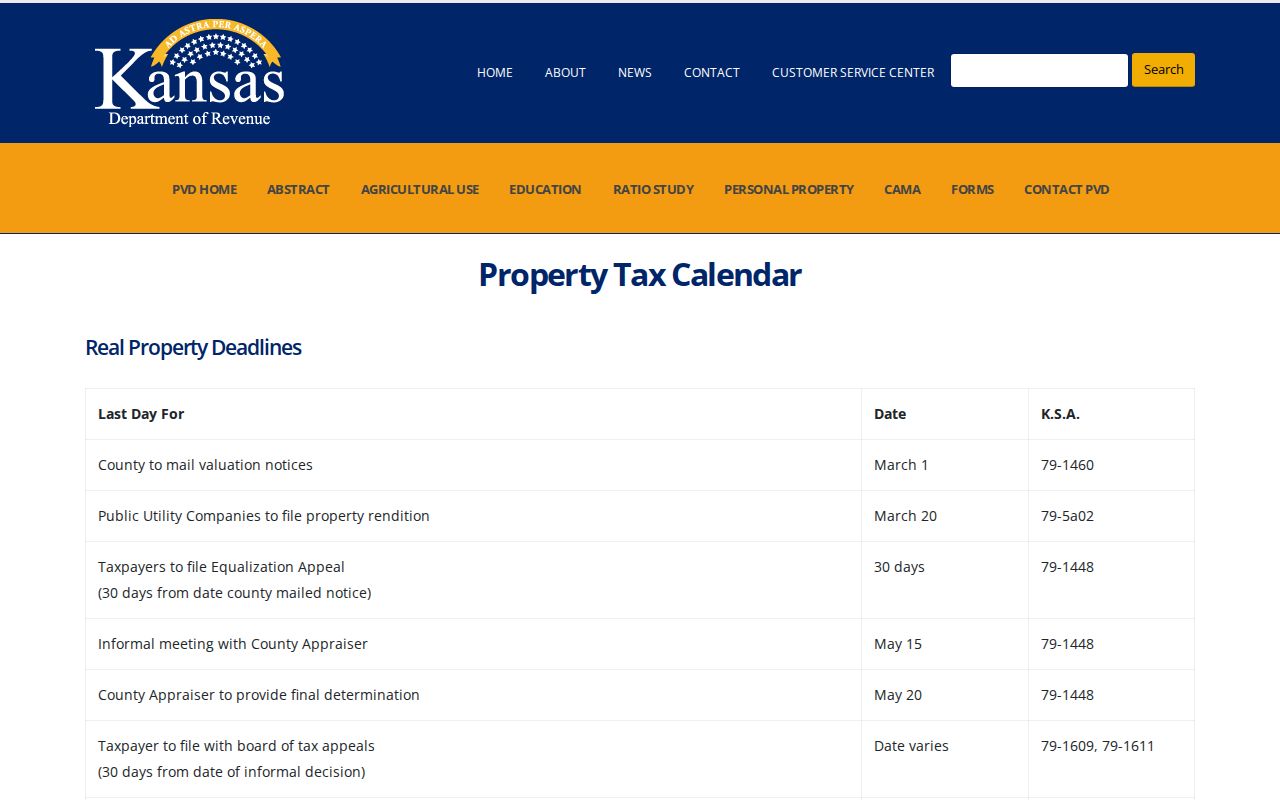
The state reference explains how appraised value, the assessment rate, assessed value, the mill levy, and tax fit together. Copy the parcel's live numbers before running any calculation.
Look Up Rush County Assessed Value
Keep the right property selected by using the parcel number and legal description. The value card renders fields dynamically. Do not assume every label shown in a general example appears on the Rush County card.
- Search the situs through ORKA and select the matching parcel.
- Copy the year, classification, and each value label actually displayed.
- Ask the Appraiser to explain a missing or unclear component.
- Check the recorded transfer only if a past sale or consideration is needed.
- Assessed value
- The class-rate result used in the property-tax formula.
- Market / appraised value
- The county's value under the governing appraisal method.
- Assessment ratio
- The class percentage applied to appraised value.
- Reassessment
- A later determination of value, distinct from a private appraisal.
Rush County Reinspects Property Over Six Years
Rush County states that all real property is reinspected every six years under K.S.A. 79-1476, with roughly 17 percent physically inspected annually. That rotation supports mass appraisal. It does not put an appraiser on every parcel each year.
A physical change, a classification dispute, or market movement can move a value. Time alone cannot explain it. Ask the Appraiser about the specific record rather than guessing at the cause.
Find a Rush County Sale Price in the Transfer Record
The Register of Deeds records deeds and indexes them by grantor, grantee, and legal description. A Sales Validation Questionnaire is closed by statute. The county publishes no public sale-price display, so ORKA and deed images may not show what a property fetched. Ask the Register which portions of an instrument the public can see. Counter, phone, and mail requests are documented routes. Free online deed images are not offered.
Ask Rush County to Explain a Value Field
Call the Appraiser at 785-222-2659 or visit 715 Elm in La Crosse, weekdays from 8:30 a.m. to 5 p.m. KORA requests can reach nonexempt administrative records. For bulk data, the Kansas PVD KSCAMA request serves Rush County, number 083, as a paid route.
Value meaning is where this discussion ends. The Rush County property tax records guide handles bills, protests, and tax administration.
Keep Rush County Land and Improvement Values Distinct
When the live parcel card shows separate land and improvement figures, copy them with their exact labels. Use the same year. Their sum or relationship may explain the county's total. But the card's field structure is not fixed, so no set arithmetic can be promised. A farm residence, agricultural acreage, and agricultural improvements can face different treatment. A vacant parcel near a house does not borrow the residential class rate. A commercial building does not either. Classification comes from the official record or the Appraiser, never from the neighborhood.
Rush County Has No Published Local Value Trend Here
Rush County publishes no verified countywide or city-specific revaluation trend, median change, or parcel-history series. A state assessment ratio is not a local trend. One recorded sale is not a market index. Compare values only when year, property class, land, and improvements all line up. For purchase planning, pair official records with current property facts and an appropriate private valuation rather than extrapolating from one neighbor's old transfer.
What Rush County Property Value Does Not Prove
A county value exists inside a mass-appraisal and tax system. It proves no sale price a buyer would pay today. It says nothing about title quality, boundaries, or the current condition of improvements. A past sale records one transaction under its own facts, nothing more.
Value is not price. Rush County assessed value is for taxation and is not what the property will sell for. It is not a private appraisal.